The Hidden Costs of Owning an Auckland CBD Apartment
For apartment investors, understanding the full ownership cost structure is critical before purchasing in Auckland’s CBD market.
Two apartments with similar purchase prices can produce very different long-term financial outcomes depending on the building, management quality, and ongoing operational costs.
Why Do Auckland CBD Apartments Have Different Ownership Costs?
Apartment ownership involves shared building responsibilities that do not exist in many standalone residential properties.
In apartment buildings, owners collectively contribute toward:
- Building maintenance
- Insurance
- Shared utilities
- Lift servicing
- Security systems
- Cleaning
- Building management
- Long-term maintenance planning
The quality, age, and complexity of the building can significantly influence ongoing ownership expenses.
Luxury apartment buildings may also include additional operational costs associated with concierge services, pools, gyms, and shared resident facilities.
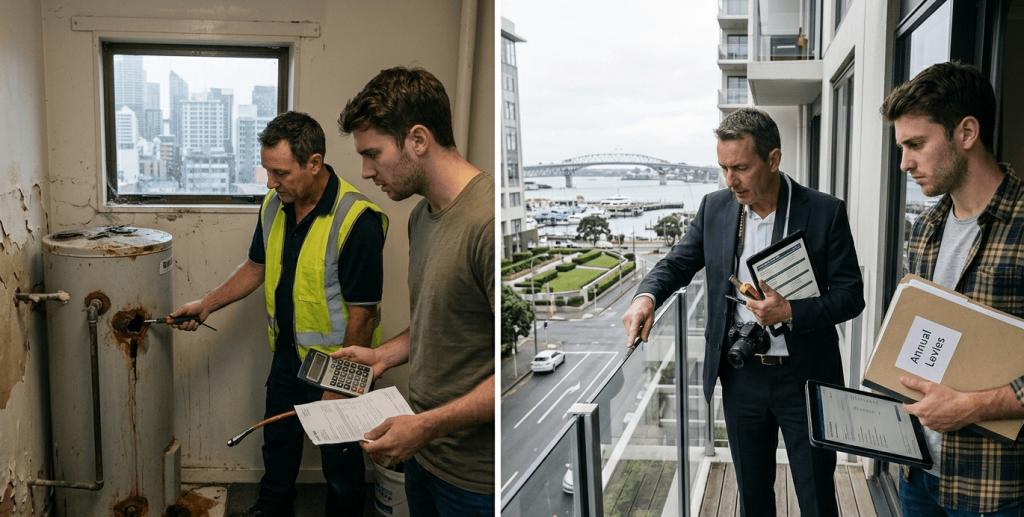
What Are the Most Common Hidden Costs of Apartment Ownership?
Many first-time apartment investors focus primarily on mortgage costs and rental income while overlooking other ongoing expenses.
Common hidden costs may include:
- Body corporate fees
- Special levies
- Maintenance contributions
- Appliance replacements
- Compliance upgrades
- Vacancy periods
- Letting fees
- Building remediation work
- Water charges
- Insurance-related increases
These costs can affect cash flow and overall investment performance over time.
How Do Body Corporate Fees Affect Investment Returns?
Body corporate fees are one of the most significant ongoing costs for Auckland apartment owners.
These fees usually contribute toward:
- Building insurance
- Shared maintenance
- Cleaning services
- Lift maintenance
- Security systems
- Facility management
- Long-term maintenance funds
Higher-end buildings with extensive shared facilities often have higher body corporate costs.
While strong building maintenance can support tenant demand and property value, investors should carefully assess whether the ongoing costs align with expected rental returns.
What Hidden Costs Should Investors Expect in Auckland CBD Apartments?
| Cost Type | What It Covers | Potential Impact |
|---|---|---|
| Body Corporate Fees | Building operations and shared maintenance | Reduces net rental returns |
| Special Levies | Unexpected building repair projects | Can create significant one-off costs |
| Maintenance Costs | Appliances, repairs, wear and tear | Ongoing ownership expense |
| Vacancy Periods | Loss of rental income between tenants | Impacts annual cash flow |
| Compliance Upgrades | Regulatory or safety-related improvements | Unexpected ownership costs |
| Building Defect Repairs | Major remediation or structural issues | Can significantly affect investment returns |
What Are Special Levies and Why Do They Matter?
Special levies are additional charges imposed on apartment owners to fund major building repairs or unexpected costs.
These may relate to:
- Exterior repairs
- Waterproofing issues
- Lift replacements
- Structural remediation
- Safety upgrades
- Deferred maintenance projects
Special levies can sometimes be substantial, particularly in older buildings or buildings with unresolved maintenance issues.
Before purchasing an apartment, investors should carefully review body corporate records to identify any planned or potential levy risks.
How Can Vacancy Periods Affect Apartment Investment Performance?
Vacancy costs are often underestimated in apartment investing.
Even short vacancy periods can reduce annual rental returns once investors account for:
- Lost rent
- Advertising costs
- Letting fees
- Cleaning and maintenance between tenants
Buildings with weaker reputations or less desirable layouts may experience longer leasing periods.
Strong property management and effective tenant retention strategies can help reduce vacancy exposure.
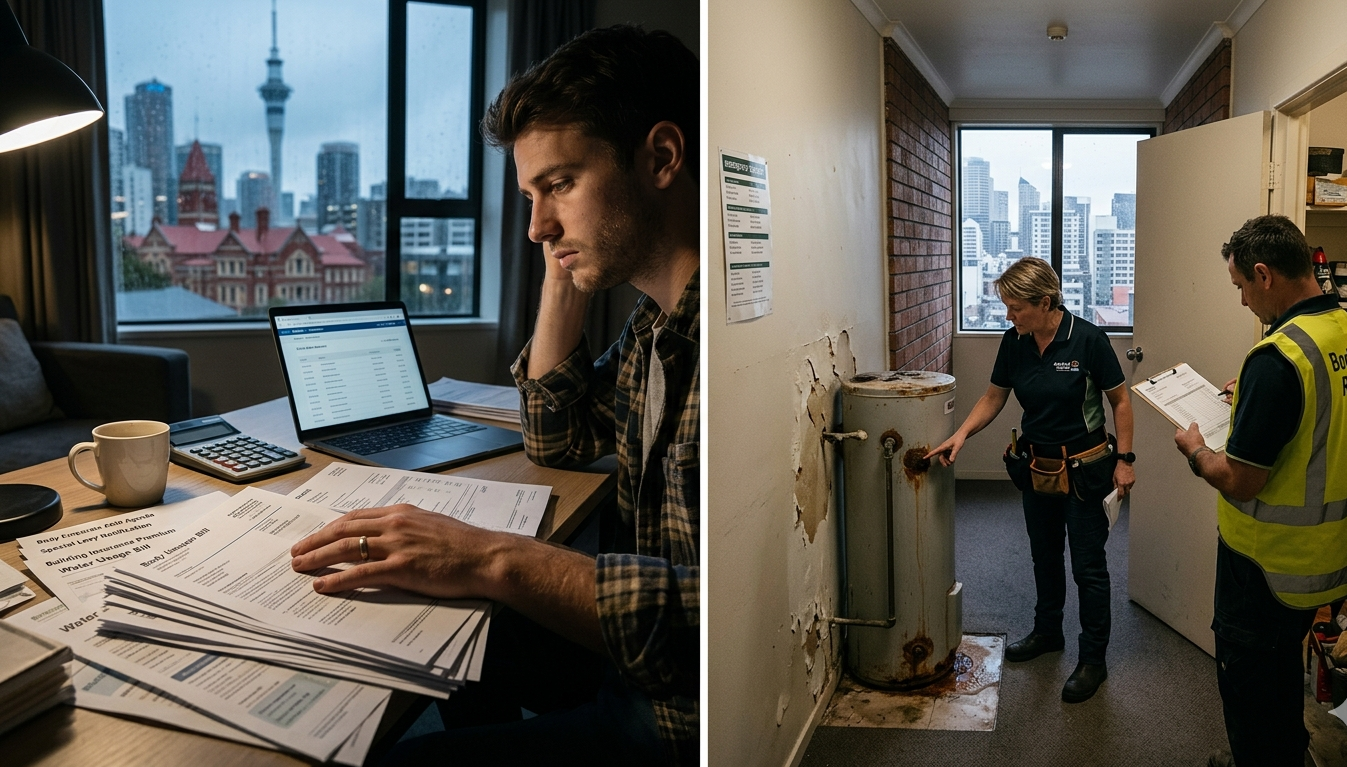
Are Luxury Apartment Buildings More Expensive to Own?
In many cases, yes.
Luxury apartment buildings often include premium shared facilities and operational services that increase ongoing ownership costs.
These may include:
- Concierge staffing
- Pool maintenance
- Gym facilities
- Advanced security systems
- Shared resident amenities
While these features may support premium rental pricing, investors should assess whether the additional costs are justified by the expected rental performance.
How Can Building Maintenance Issues Affect Owners?
Building maintenance problems can become expensive very quickly in apartment developments.
Potential issues may include:
- Water ingress
- Lift failures
- HVAC system problems
- Exterior deterioration
- Plumbing infrastructure issues
If long-term maintenance has been poorly managed, owners may face increasing repair costs over time.
This is why reviewing long-term maintenance plans and body corporate financial health is extremely important before purchasing.
How Should Investors Assess the Real Cost of Apartment Ownership?
A practical approach includes:
1. Review Body Corporate Records Carefully
Look for maintenance planning, financial health, and upcoming repair projects.
2. Calculate Net Returns – Not Just Gross Yield
Factor in all ongoing ownership costs.
3. Assess Building Age and Maintenance History
Older buildings may carry higher future repair risks.
4. Understand Shared Facility Costs
Luxury amenities may increase long-term operational expenses.
5. Speak With an Apartment Property Manager
A property manager familiar with Auckland CBD buildings can often identify cost patterns and operational risks investors may overlook.
Understanding Ownership Costs Helps Investors Make Better Decisions
Auckland CBD apartments can offer strong rental demand and long-term investment opportunities, but successful investing requires understanding the full cost of ownership.
Beyond purchase price and rental income, investors should carefully assess body corporate expenses, maintenance exposure, vacancy risk, and long-term building quality.
In many cases, the building itself plays a major role in determining whether an apartment investment remains financially sustainable over time.




Expert Property Management in Auckland City
If you own a rental property in Auckland City and want to reduce vacancy, protect income, and improve long-term returns, the right management strategy makes all the difference.
Talk to 360 Property Management about a smarter approach to managing vacancy – from the start.
For general inquiries or more information, please email 360pm.nz@raywhite.com. If you are an existing client needing assistance, please submit a request through our Client Portal or call (09) 636 7355.
Frequently Asked Questions
Body corporate fees are ongoing contributions paid by apartment owners to cover shared building expenses such as maintenance, insurance, cleaning, and building operations.
A special levy is an additional charge imposed on owners to pay for major repairs, remediation work, or unexpected building costs.
Maintenance costs vary significantly depending on the building age, quality, amenities, and management standards.
Often yes. Premium facilities and operational services can increase ongoing body corporate expenses.
Vacancy periods reduce rental income and may increase costs through advertising, cleaning, and reletting expenses.
Yes. Reviewing body corporate records can help identify maintenance risks, financial health issues, and potential future costs.
Yes. Experienced apartment property managers often understand common building-related costs, tenant demand trends, and operational issues that may affect investment performance.