
Investment PropertyTips & Advice
South Auckland Rental Property: What Owners Should Expect
Manukau, Manurewa, Papakura and Takanini offer some of Auckland's strongest yields. What owners should understand about demand, stock and management.
Hannah Williams4 min read
Key takeaways
- South Auckland generally offers higher gross yields than the isthmus, because entry prices are lower while rents are not proportionally lower.
- The Southern Line stations are a genuine demand driver, and properties near them let faster.
- Housing stock ranges from 1960s state-built homes to brand new Takanini and Drury townhouses, with very different maintenance profiles.
- Tenant selection and consistent inspections matter more to your return here than squeezing the last ten dollars of rent.
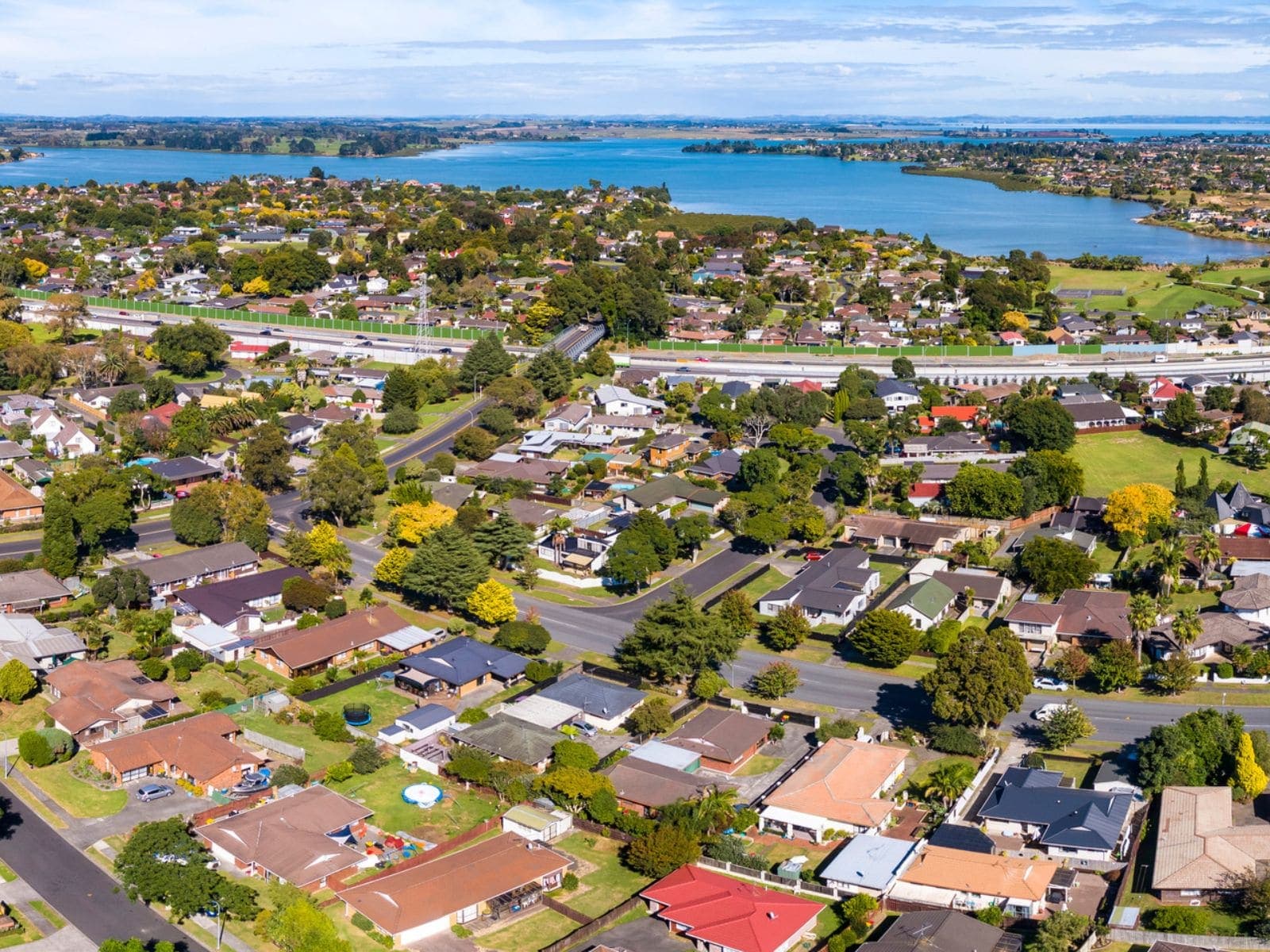
South Auckland is where a lot of Auckland's rental property actually is, and where a good deal of the city's investor activity has been for the last decade. It is also the part of Auckland most often described from a distance by people who do not manage property in it.
We do. Our offices sit in Manukau, Manurewa and Māngere, which means the following is what we see week to week rather than what the market commentary says.
The yield case is real, and it comes with conditions
The arithmetic that draws investors south is straightforward. Purchase prices are lower than the isthmus, while rents are not lower in the same proportion. That produces a stronger gross yield, and for an investor whose main constraint is servicing a mortgage rather than waiting for capital growth, that matters a great deal.
The condition attached is that yield on paper and yield in your bank account are different numbers. The gap between them is made up of vacancy, arrears, maintenance and turnover. Those are all management questions, and they are the reason two identical houses in the same Manurewa street can return quite differently over five years.
If you want to work the numbers on a specific property, our yield calculator will do the gross figure, and our guide to rental yield explains what to subtract to get to something honest.
Know which decade you have bought
South Auckland housing stock covers a wide range, and each part of it behaves differently as a rental.
1950s to 1970s homes across Ōtara, Māngere, Papatoetoe and parts of Manurewa are typically well-built timber houses on generous sections. They are practical rentals with real longevity. They are also the properties most likely to need meaningful work on insulation, heating and ventilation, and their large sections need a clear agreement about who maintains what.
1990s and 2000s brick-and-tile in Manukau, Goodwood Heights and Totara Heights sits in the middle: fewer compliance surprises, moderate maintenance, and broad appeal to families.
New townhouses in Takanini, Drury, Flat Bush and Papakura are low-maintenance and compliant from day one. The trade-off is competition. These developments deliver many similar properties at once, so pricing and presentation carry more weight than in an established street.
The rail line matters
The Southern Line is a genuine differentiator. Properties within a comfortable walk of Papatoetoe, Manurewa, Takanini or Papakura stations reach tenants who work in the city or at the airport without needing two cars. That widens the applicant pool, and a wider pool means a better choice of tenant rather than simply a faster let.
Airport employment is the other significant driver, particularly around Māngere and Favona. Shift work is common, which is worth understanding when you are assessing an application. A tenant on rotating shifts is not a risk; they are a large part of the local workforce.
Where returns are actually won and lost
In our experience, the difference between a good South Auckland investment and a disappointing one is rarely the rent. It is almost always one of three things.
Tenant selection. Thorough, consistent screening is the highest-value work a property manager does anywhere, and it compounds over years. Our guide to tenant screening red flags sets out what we look for.
Inspection discipline. Quarterly inspections catch small problems while they are still small. They also satisfy most insurers' requirements, which matters if you ever need to claim. Skipping them to save a fee is a false economy that shows up two years later.
Maintenance response. Fixing things promptly keeps good tenants and prevents small faults becoming structural ones. Tenants who see maintenance handled properly look after a property better. It is the least glamorous part of management and the part that most affects your long-run return.
A note on reputation
South Auckland carries reputational baggage that does not match what we see across the properties we manage. Most tenants here are the same as tenants anywhere: households who pay their rent, look after the place and want to be left alone to get on with their lives.
What is true is that the margin for error on tenant selection is less forgiving when your yield depends on consistent occupancy. That is an argument for doing the work properly, not for avoiding the area.
If you own in South Auckland and want a current view of what your property should be achieving, request a rental appraisal. If you are weighing up whether to keep managing it yourself, our piece on the hidden costs of self-managing is worth ten minutes.
Frequently asked questions
Is South Auckland a good place to buy a rental?
It depends what you want from it. Gross yields are typically higher than in central or eastern suburbs because purchase prices are lower while rents hold up comparatively well. That suits an investor focused on cash flow. Capital growth has historically been less consistent than the isthmus, so it is a different proposition from buying in Remuera and waiting.
Are older South Auckland homes harder to bring up to Healthy Homes standard?
Often yes. Much of the stock predates insulation requirements and was built with minimal ceiling and underfloor insulation. The work is usually straightforward, but it is real expenditure, and it should be priced into any purchase rather than discovered afterwards.
How important is proximity to a train station?
More important than many owners assume. Papatoetoe, Manurewa, Takanini and Papakura stations all draw tenants who commute north, and a property within walking distance of one reaches a wider pool than an equivalent house two kilometres away.
South AucklandManukauManurewaPapakuraTakaninirental yield
Keep reading

Getting an Investment Property Loan Approved in NZ
How NZ banks assess an investment property loan: deposit, debt-to-income, serviceability, credit history and the property itself, and how to prepare.
Hannah Williams6 min read
LVR and DTI Rules for NZ Property Investors in 2026
The LVR and DTI rules decide how much NZ property investors can borrow and how big a deposit they need. The current Reserve Bank settings, explained.
Hannah Williams6 min read

Which Auckland Suburbs Suit Which Kind of Investor?
Yield, growth and management effort vary hugely across Auckland. A practical comparison of what different parts of the city offer property investors.
Hannah Williams4 min read