How Apartment Layouts Affect Rental Demand in Auckland City
In Auckland’s apartment market, two apartments with similar square meterage can perform very differently depending on how the internal space is designed.
For investors, understanding how apartment layouts affect tenant demand can help improve leasing outcomes, reduce vacancy risk, and attract more stable long-term tenants.
Why Does Apartment Layout Matter So Much?
In apartment living, space efficiency is extremely important.
Unlike standalone homes, apartments often have more limited internal areas, which means layout design strongly affects how comfortable and functional the property feels.
Tenants often assess:
- living space flow
- bedroom separation
- natural light access
- storage capacity
- work-from-home flexibility
- kitchen functionality
- balcony usability
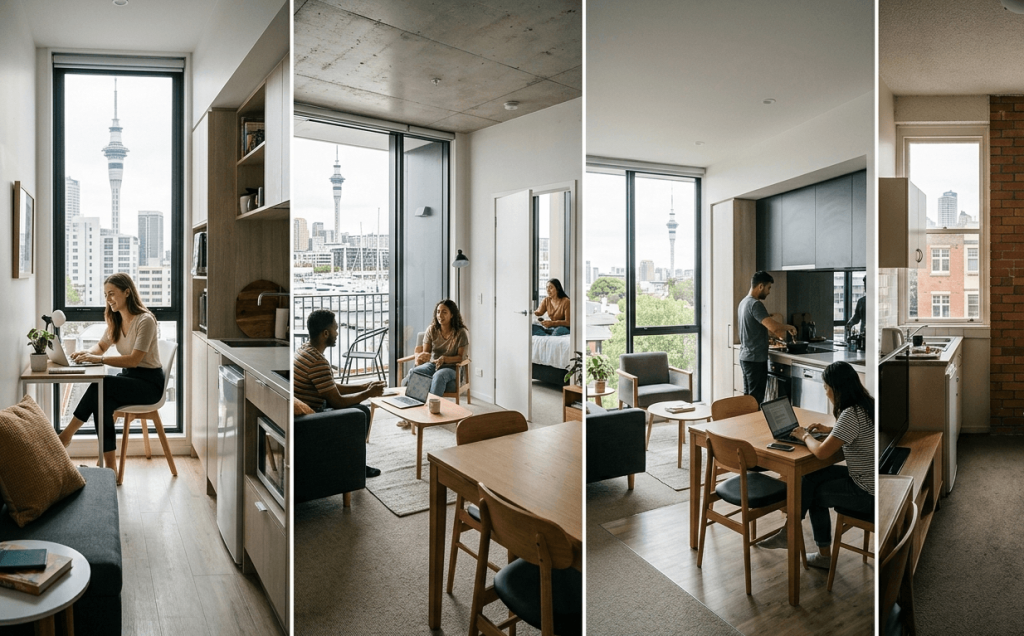
A well-designed apartment may feel significantly larger and more livable than a poorly designed apartment of the same size.
Which Apartment Layouts Are Most Popular in Auckland City?
Different layouts appeal to different tenant demographics.
Common apartment types include:
- studio apartments
- one-bedroom apartments
- two-bedroom apartments
- dual-key apartments
- flexi-room layouts
- open-plan apartments
The ideal layout often depends on the target tenant market and building location.
How Do Studio Apartments Perform in the Rental Market?
Studio apartments may attract:
- students
- single professionals
- short-term renters
- entry-level tenants
Advantages may include:
- lower rental pricing
- strong affordability appeal
- lower utility costs
However, studios may also face limitations such as:
- reduced storage
- limited privacy
- lower long-term liveability
Some tenants may avoid smaller studio layouts if they feel they are too compact for daily living.
Why Are One-Bedroom Apartments So Popular?
One-bedroom apartments often attract broad tenant demand in the Auckland CBD.
These apartments may appeal to:
- professionals
- couples
- long-term renters
- relocating tenants
Well-designed one-bedroom layouts often provide a balance between affordability and liveability.
Features that improve demand may include:
- separated sleeping areas
- natural light
- usable living space
- functional kitchens
- balcony access
In many Auckland apartment buildings, strong one-bedroom layouts consistently attract stable tenant demand.
How Do Different Apartment Layouts Compare?
| Layout Type | Typical Tenant Appeal | Potential Considerations |
|---|---|---|
| Studio Apartment | Students and single renters | May have lower long-term tenant retention |
| One-Bedroom Apartment | Professionals and couples | Strong broad-market appeal |
| Two-Bedroom Apartment | Flatmates and small families | Higher rental pricing expectations |
| Dual-Key Apartment | Flexible investment strategies | May appeal less to long-term tenants |
| Flexi-Room Layout | Budget-conscious renters | Layout functionality may vary significantly |
| Open-Plan Layout | Lifestyle-focused renters | May reduce privacy in shared living situations |
What Are Dual-Key Apartments?
Dual-key apartments typically contain two separately accessible living spaces within one title.
Some investors are attracted to these layouts because they may offer:
- flexible rental strategies
- multiple income streams
- occupancy flexibility
However, some long-term tenants may prefer more traditional apartment layouts with greater privacy and a residential feel.
Tenant demand can vary depending on building type and target market.

How Do Flexi-Room Layouts Affect Tenant Demand?
Flexi-room layouts are designed to maximise sleeping or usable space within compact apartments.
While these layouts may improve affordability, some tenants may view them as less functional for long-term living if:
- Natural light is limited
- Ventilation is poor
- Privacy is reduced
Layout quality matters significantly in smaller apartments.
Why Does Natural Light Matter So Much?
Natural light strongly influences how spacious and comfortable an apartment feels.
Apartments with good natural light may feel:
- larger
- more inviting
- more comfortable for long-term living
Poorly lit apartments may struggle to compete against brighter properties in the same building or area.
Tenant perception during inspections is often heavily influenced by light and space flow.
How Important Is Work-From-Home Flexibility?
Work-from-home flexibility has become increasingly important for many tenants.
Features that may improve appeal include:
- separate work areas
- additional study space
- flexible living layouts
- strong internet connectivity
Apartments designed only for sleeping and basic occupancy may feel less suitable for modern long-term living needs.
Can Poor Layouts Increase Vacancy Risk?
Yes.
Apartments with awkward or impractical layouts may experience:
- slower leasing periods
- reduced tenant retention
- weaker tenant demand
Common layout problems may include:
- limited storage
- poor bedroom separation
- dark internal spaces
- awkward room shapes
- unusable balconies
In competitive apartment markets, layout functionality can strongly influence leasing performance.
How Should Investors Assess Apartment Layouts?
A practical approach includes:
1. Consider the Target Tenant
Different layouts appeal to different renter demographics.
2. Assess Liveability
Think about how the apartment functions for day-to-day living.
3. Prioritise Natural Light
Bright apartments often create stronger tenant appeal.
4. Review Storage and Functionality
Practical layouts generally support better long-term tenant retention.
5. Speak With an Apartment Property Manager
Experienced apartment property managers often know which layouts consistently perform best with Auckland tenants.
Strong Layouts Often Support Stronger Long-Term Rental Demand
In Auckland City apartment investing, apartment layout can significantly influence tenant demand, leasing speed, and long-term tenant retention.
Apartments that feel functional, comfortable, and suitable for modern living often perform better than layouts that prioritise density over liveability.
For investors, choosing apartments with strong layout design can help improve rental stability and create more attractive long-term rental opportunities.




Expert Property Management in Auckland City
If you own a rental property in Auckland City and want to reduce vacancy, protect income, and improve long-term returns, the right management strategy makes all the difference.
Talk to 360 Property Management about a smarter approach to managing vacancy – from the start.
For general inquiries or more information, please email 360pm.nz@raywhite.com. If you are an existing client needing assistance, please submit a request through our Client Portal or call (09) 636 7355.
Frequently Asked Questions
Layout affects how functional, comfortable, and liveable an apartment feels for tenants.
Yes. Well-designed one-bedroom apartments often attract strong demand from professionals and couples.
Some do, but studios may experience higher turnover depending on size and liveability.
A dual-key apartment typically contains two separately accessible living spaces within one property title.
Natural light can improve liveability, tenant comfort, and overall perception of space.
Yes. Many tenants increasingly value layouts that support remote or hybrid work arrangements.
Yes. Apartment-focused property managers often understand which layouts perform best in Auckland rental markets.