Apartment Inspections in Auckland: What Actually Gets Checked (and Why It Matters)
Inspections are not just routine. They are one of the most important risk management tools for apartment investors.
Why Are Inspections More Important in Apartments?
Apartment inspections carry more weight than in standalone homes because of shared environments.
In buildings across the City Centre, Viaduct, Wynyard Quarter, Grafton, Parnell, and Newmarket:
- Issues can affect multiple units
- Noise and behavioural complaints escalate quickly
- Water leaks can spread between apartments
- Body corporate rules must be followed
- Damage can impact common areas
Early detection prevents larger problems.
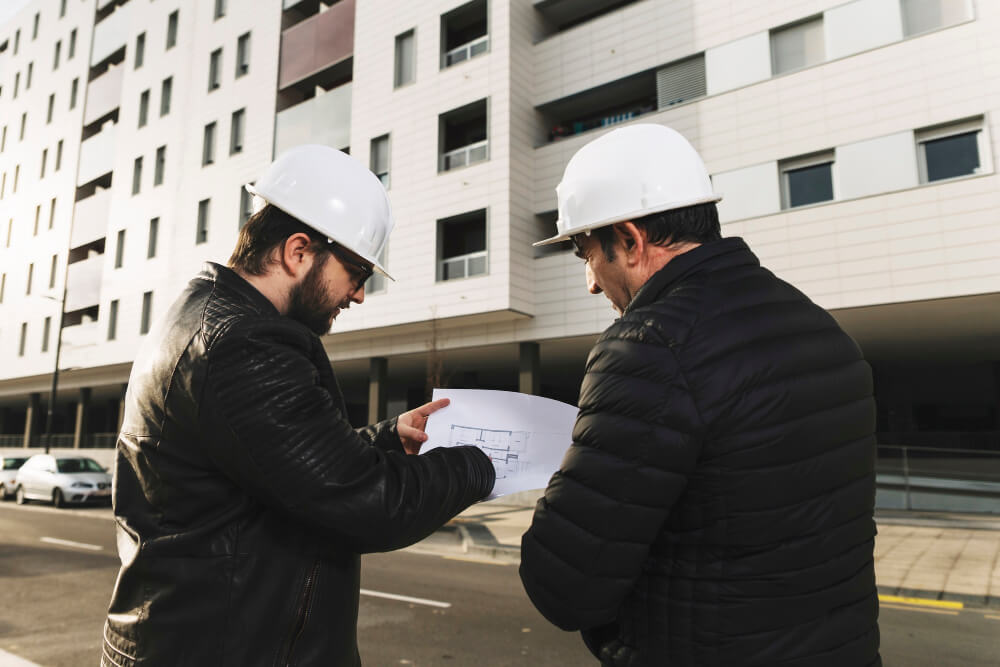
How Often Are Apartment Inspections Conducted?
Routine inspections are typically carried out:
- Every 3 to 4 months during a tenancy
- At the start of a tenancy (entry inspection)
- At the end of a tenancy (exit inspection)
Regular inspections create a documented history of the property.
Consistency is key.
What Gets Checked During an Apartment Inspection?
A structured inspection covers multiple areas of the property.
1. General Condition
This includes:
- Cleanliness and overall upkeep
- Visible damage to walls, floors, and ceilings
- Signs of neglect or misuse
- Condition of fixtures and fittings
This helps assess whether the property is being cared for appropriately.
2. Kitchens and Appliances
Inspectors check:
- Condition of appliances
- Functionality of stovetops and ovens
- Cabinet and benchtop condition
- Signs of grease buildup or damage
Kitchens often show early signs of wear.
3. Bathrooms and Moisture Areas
Bathrooms are high-risk zones in apartments.
Inspections focus on:
- Mould or mildew presence
- Ventilation effectiveness
- Leaks around fixtures
- Water damage or swelling
- Silicone and sealing condition
Moisture issues must be addressed early to avoid escalation.
4. Bedrooms and Living Areas
This includes:
- Flooring condition
- Wall marks or damage
- Window condition
- Curtains or blinds
- General wear and tear
These areas indicate overall tenant care.
5. Balconies and Exterior Areas
For apartments, balconies are critical.
Inspectors check:
- Drainage
- Water pooling
- Damage to surfaces
- Cleanliness
- Compliance with building rules
Balcony issues can lead to water ingress if ignored.
6. Safety and Compliance
Inspections verify:
- Smoke alarms are working
- Heating systems are functional
- Ventilation systems are operating
- Compliance with Healthy Homes requirements
These are legal obligations.
7. Signs of Unauthorised Activity
Inspectors also look for:
- Additional occupants
- Evidence of subletting
- Short-term letting indicator
- Pets not approved in the agreement
These can create both tenancy and building issues.
Why Documentation Matters During Inspections
Inspections are not just about observation. They are about recording evidence.
Documentation includes:
- Photographs
- Written condition notes
- Maintenance records
- Communication logs
In disputes, documentation often determines the outcome.
Without it, claims become difficult to support.
What Happens If Issues Are Found?
When an issue is identified:
- It is documented clearly
- The tenant is notified if required
- Maintenance is arranged where appropriate
- Follow-up is scheduled
- Records are updated
Timely action reduces escalation risk.
How Inspections Prevent Bigger Problems
Regular inspections help identify:
- Early-stage water leaks
- Mould development
- Wear and tear before it becomes damage
- Maintenance issues before failure
- Behavioural concerns before complaints escalate
Prevention is significantly less costly than repair or dispute resolution.
What Do Inspections Mean for Tenants?
For tenants, inspections:
- Provide structure and accountability
- Ensure maintenance issues are addressed
- Clarify expectations
- Support a well-managed tenancy
When handled professionally, inspections are not intrusive. They are protective.
Inspection Quality: Basic vs Structured Approach
Basic Table:
| Basic Inspection | Structured Apartment Inspection |
|---|---|
| Quick visual check | Detailed, room-by-room assessment |
| Minimal photos | Comprehensive photographic records |
| Limited notes | Structured reporting |
| Reactive maintenance | Proactive issue identification |
| No follow-up | Documented follow-up process |
| Basic compliance check | Full compliance verification |
The quality of inspection directly affects risk exposure.
Why Inspections Are Critical for Tribunal Protection
If a dispute arises, the Tenancy Tribunal may consider:
- Condition at the start of tenancy
- Evidence of damage progression
- Whether issues were reported
- Whether the landlord acted reasonably
- Whether records support claims
Well-documented inspections strengthen your position significantly.
Do Inspections Help Protect Property Value?
Yes.
Regular inspections:
- Maintain property condition
- Prevent long-term deterioration
- Identify issues early
- Ensure compliance standards are met
- Support consistent presentation
Over time, this protects both rental income and resale value.
What Makes Apartment Inspections Different From Houses?
Apartments require additional attention to:
- Moisture and ventilation
- Balcony condition
- Shared infrastructure impact
- Building rules
- Neighbour proximity
These factors increase the importance of detail.




Expert Property Management in Auckland City
If you own a rental property in Auckland City and want to reduce vacancy, protect income, and improve long-term returns, the right management strategy makes all the difference.
Talk to 360 Property Management about a smarter approach to managing vacancy – from the start.
For general inquiries or more information, please email 360pm.nz@raywhite.com. If you are an existing client needing assistance, please submit a request through our Client Portal or call (09) 636 7355.
Frequently Asked Questions
Typically, every 3 to 4 months, with additional inspections at the start and end of a tenancy.
They help identify early signs of damage, allowing issues to be addressed before they worsen.
Yes, with proper notice provided under the tenancy law.
There are legal processes to address access issues, including formal notices.
Yes. Apartments require more focus on shared risks like moisture, noise, and building compliance.
Summary
- Apartment inspections are a key risk management tool
- High-density buildings increase the importance of regular checks
- Inspections cover condition, compliance, and tenant behaviour
- Documentation is critical for dispute protection
- Early detection prevents costly issues
- Structured inspections protect both income and asset value