Should You Allow Pets in an Auckland Apartment Rental?
As pet ownership continues to increase, more renters are actively searching for pet-friendly accommodation in Auckland. In apartment markets where pet-friendly options are limited, allowing pets may help a property stand out and reduce vacancy periods.
However, apartment living creates different challenges compared to standalone homes, particularly in high-rise buildings with shared spaces and close neighbouring residents.
Before allowing pets, landlords should understand both the opportunities and the operational considerations involved.
Why Are More Tenants Looking for Pet-Friendly Apartments?
Many renters now view pets as part of their long-term lifestyle rather than a temporary situation.
As a result, tenants increasingly prioritise rentals that accommodate:
- dogs
- cats
- small companion animals
In Auckland apartment markets, pet-friendly rentals can be difficult to find, especially in buildings with strict body corporate rules.
This can create strong demand from responsible long-term tenants seeking stable accommodation for both themselves and their pets.

Do Apartment Buildings Have Different Pet Rules?
Yes.
In apartment buildings, pet policies are often influenced by body corporate rules and building regulations.
Some buildings may:
- allow pets freely
- require approval for pets
- restrict certain animal types or sizes
- prohibit pets entirely
Before advertising an apartment as pet-friendly, landlords should confirm the building’s rules and approval processes.
Failing to comply with building regulations may create disputes or operational issues later.
What Are the Benefits of Allowing Pets in an Apartment Rental?
Depending on the building and tenant demographic, allowing pets may provide several advantages.
Potential benefits include:
- larger tenant pool
- stronger rental demand
- improved tenant retention
- longer tenancy durations
- reduced vacancy risk
Some pet owners may also stay longer in rentals because suitable pet-friendly apartments can be harder to find.
This may help reduce turnover-related costs for landlords.
What Are the Risks of Allowing Pets in Apartments?
Apartment living can create additional considerations compared to standalone homes.
Potential risks may include:
- noise complaints
- damage to the flooring or interiors
- odour issues
- shared space conflicts
- building rule breaches
- neighbour complaints
In high-density apartment environments, even minor disturbances may affect nearby residents more directly.
This makes tenant screening and clear pet expectations especially important.
term rental strategy.
What Should Investors Consider Before Allowing Pets?
| Consideration | Why It Matters | Potential Impact |
|---|---|---|
| Body Corporate Rules | Some buildings restrict or regulate pets | May affect tenant eligibility |
| Apartment Size | Small layouts may not suit larger pets | Impacts suitability for certain tenants |
| Flooring Materials | Some surfaces are more durable than others | May reduce wear and tear risks |
| Neighbour Proximity | Noise travels more easily in apartments | Potential for complaints |
| Tenant Screening | Responsible pet owners may reduce risks | Better tenancy outcomes |
| Building Environment | Some buildings are more pet-friendly than others | Affects tenant experience |
Do Pet-Friendly Apartments Attract Better Long-Term Tenants?
In some cases, yes.
Responsible pet owners may stay longer in rentals because moving with pets can be more difficult, and options may be limited.
Longer tenancy durations can help reduce:
- vacancy periods
- reletting costs
- turnover-related expenses
However, tenant quality still depends on proper screening and communication, not simply whether pets are allowed.
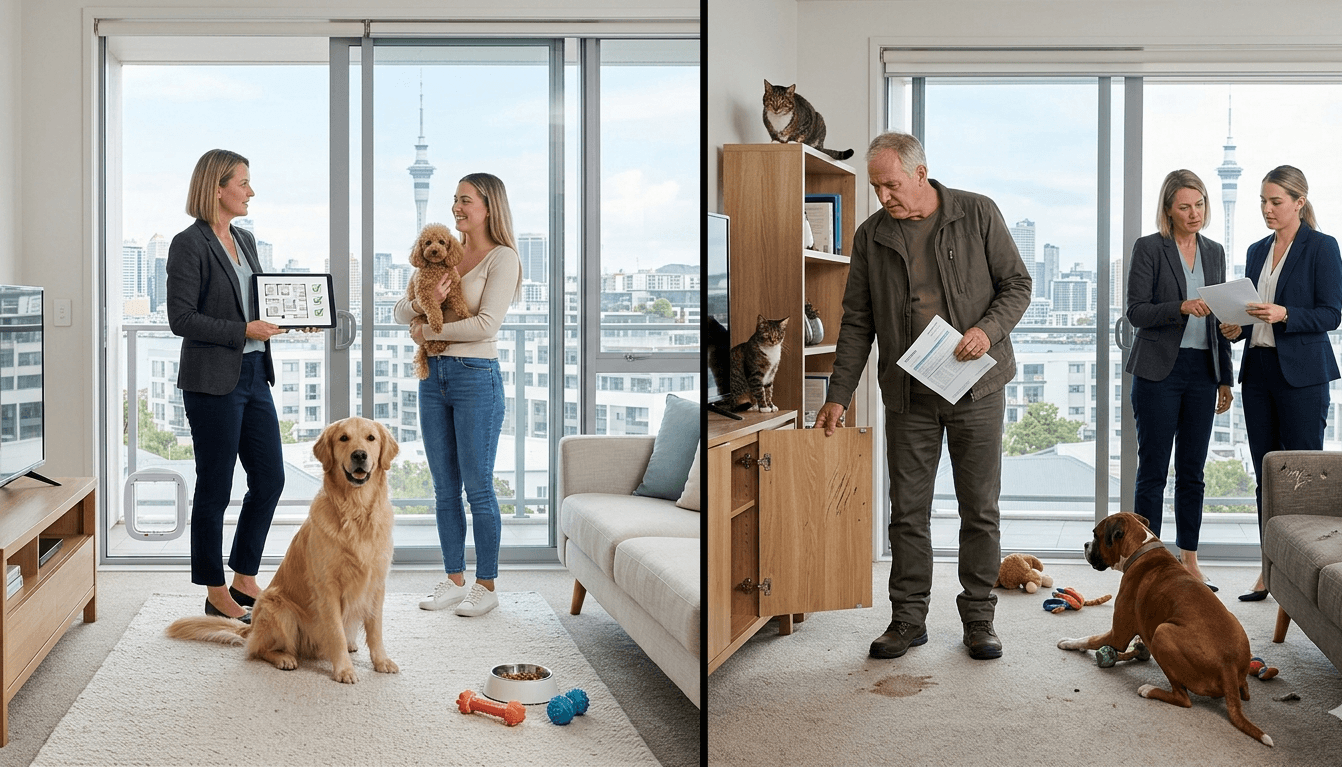
How Important Is Tenant Screening for Pet-Friendly Rentals?
An experienced Auckland apartment property manager can often identify issues that may not be obvious during a property viewing.
This includes insights into:
- Tenant demand trends by building
- Vacancy performance
- Tenant complaints
- Rental pricing history
- Building reputation among renters
- Maintenance responsiveness
- Resident turnover patterns
Property managers who specialise in Auckland CBD apartments often understand which buildings consistently perform well and which ones create ongoing management challenges.
For investors buying remotely or entering the Auckland apartment market for the first time, this local knowledge can be extremely valuable.
How Should Investors Choose the Right Auckland CBD Apartment Building?
Tenant screening becomes especially important when pets are involved.
Landlords and property managers may want to assess:
- pet type and size
- tenant rental history
- previous pet references
- tenant communication style
- overall suitability for apartment living
Responsible tenants with well-managed pets may create fewer issues than poorly screened tenants without pets.
Can Pets Affect Apartment Building Relationships?
Potentially.
In apartment environments, issues such as:
- barking
- shared lift use
- hallway cleanliness
- noise complaints
can affect relationships between residents.
Clear communication and compliance with building rules are important for maintaining positive resident environments.
Are Some Apartment Buildings More Suitable for Pets?
Yes.
Buildings with features such as:
- nearby green spaces
- easier outdoor access
- larger apartment layouts
- durable common areas
- clear pet policies
may be more suitable for pet-friendly living.
Smaller high-density buildings with strict operational rules may create more challenges for pet owners.
How Should Landlords Decide Whether to Allow Pets?
A practical approach includes:
1. Review Body Corporate Rules
Confirm whether pets are permitted and under what conditions.
2. Assess the Apartment Layout
Consider whether the apartment suits pet ownership realistically.
3. Understand the Target Tenant
Pet-friendly policies may appeal strongly to certain tenant demographics.
4. Consider Building Environment
Some buildings are naturally better suited to pets than others.
5. Work With an Experienced Property Manager
A property manager can help assess tenant suitability and manage pet-related tenancy expectations.
Pet Policies Should Align With the Building and Tenant Environment
Allowing pets in Auckland apartment rentals can create opportunities to attract strong long-term tenants and improve rental demand, particularly in markets where pet-friendly apartments are limited.
However, apartment buildings involve shared living environments that require careful consideration around building rules, tenant suitability, and neighbour impact.
For investors, successful pet-friendly apartment management often depends on balancing tenant demand with practical building considerations and strong tenant screening processes.




Expert Property Management in Auckland City
If you own a rental property in Auckland City and want to reduce vacancy, protect income, and improve long-term returns, the right management strategy makes all the difference.
Talk to 360 Property Management about a smarter approach to managing vacancy – from the start.
For general inquiries or more information, please email 360pm.nz@raywhite.com. If you are an existing client needing assistance, please submit a request through our Client Portal or call (09) 636 7355.
Frequently Asked Questions
This depends on the building’s body corporate rules. Some apartment buildings allow pets, while others have restrictions or approval requirements.
In some cases, yes. Pet-friendly apartments may attract a larger tenant pool and encourage longer tenancy durations.
Potential risks may include noise complaints, property damage, and resident disputes, particularly in high-density apartment environments.
Some pet owners may stay longer because pet-friendly rental options can be more limited.
Yes. Tenant and pet suitability assessments can help reduce potential issues and improve tenancy outcomes.
Yes. Apartment building rules may restrict or regulate pet ownership regardless of landlord preferences.
Yes. Experienced property managers can help screen tenants, manage communication, and ensure compliance with building and tenancy requirements.